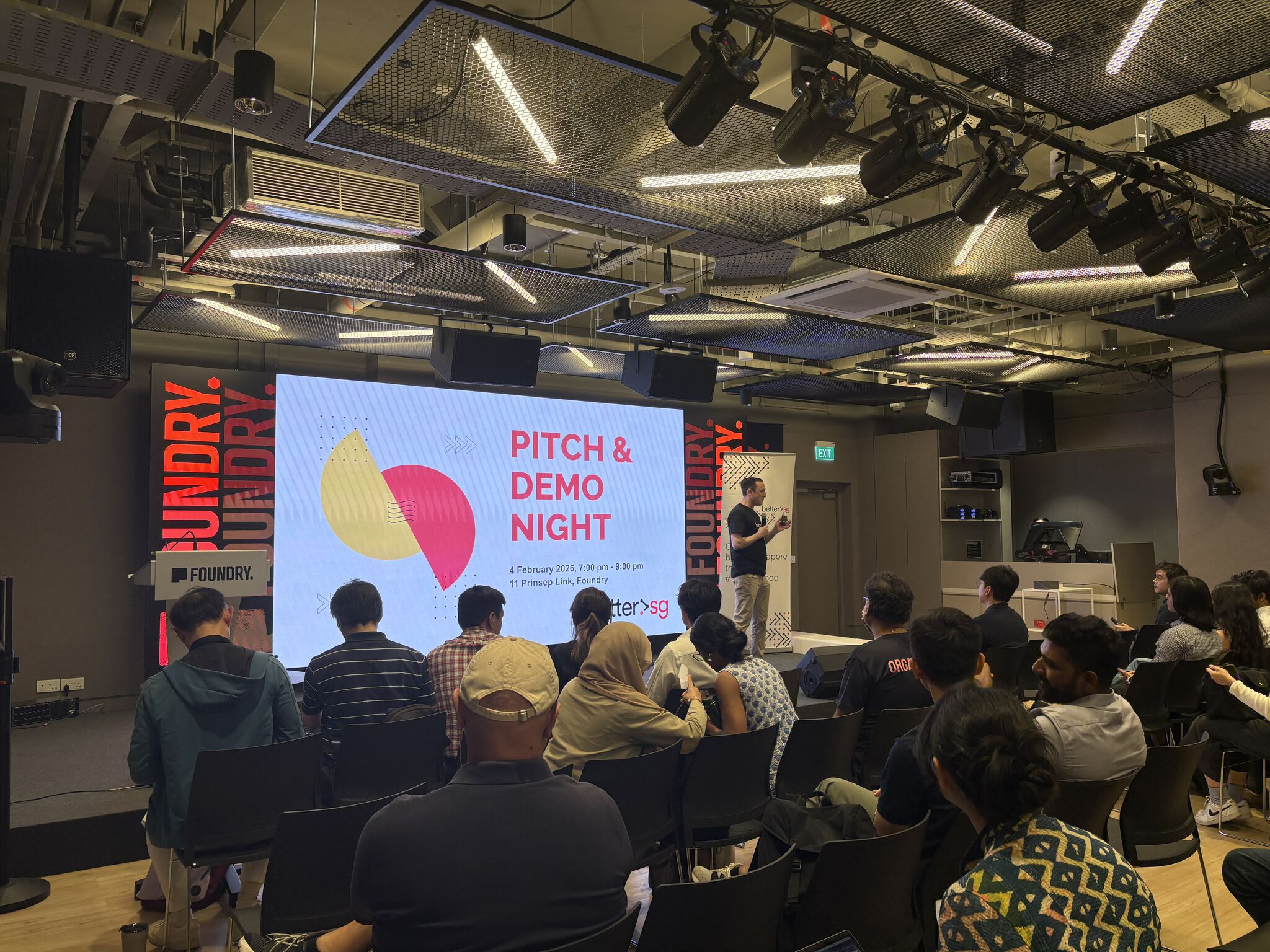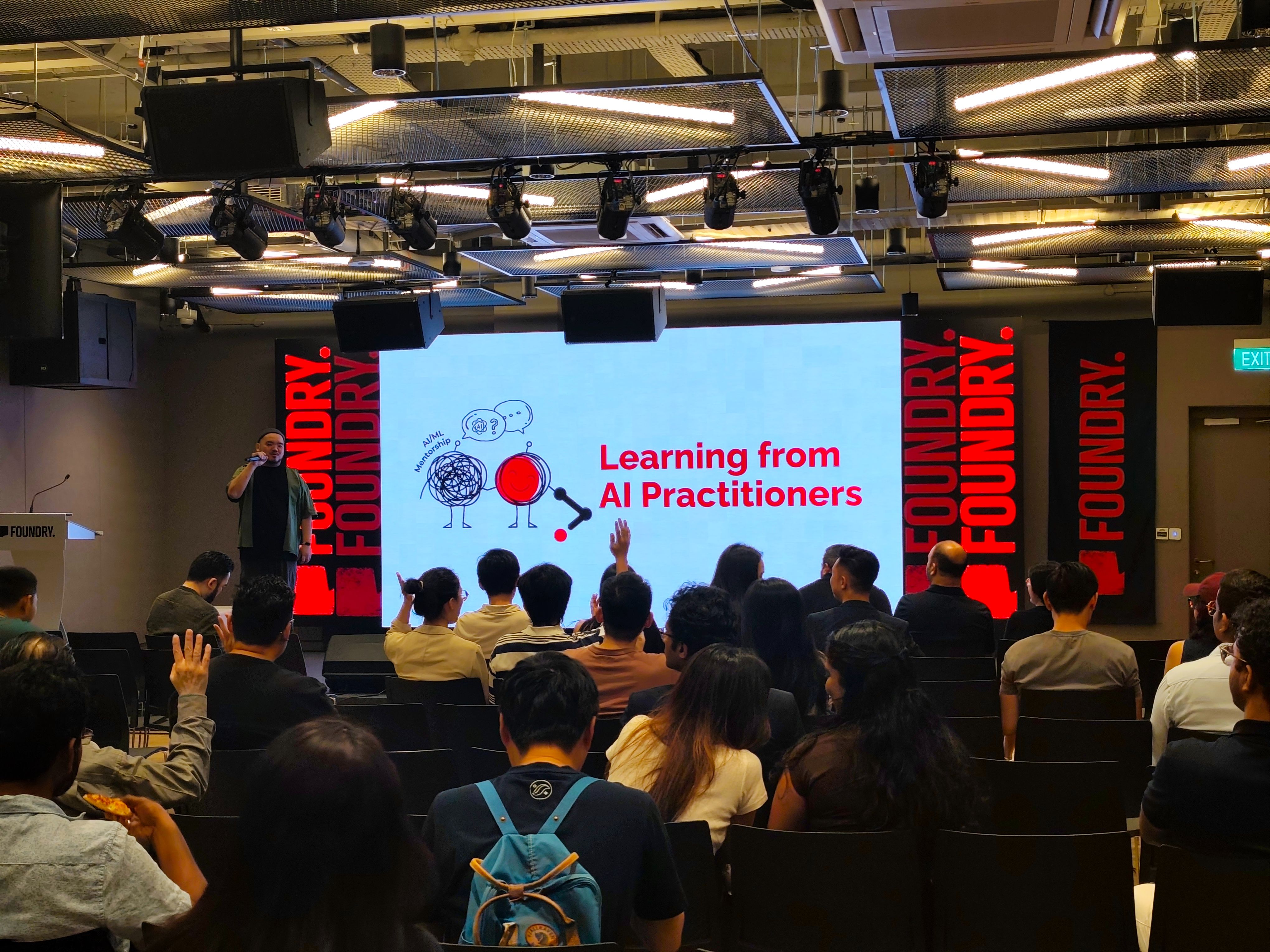
Communication is dignity. When access is limited, participation shrinks with it. That’s why Saylah began.
What do you know about tools to assist non-verbal patients with communication? Augmentative and Alternative Communication (AAC) apps exist, but the most widely used app, Proloquo2Go, costs up to USD 399. Even with this high cost, it is not a helpful tool for Singapore residents. Its voices sound American or British. Its vocabulary doesn’t reflect life in Singapore.
Saylah was founded in 2020–2021 by Gin and Sidcode after discovering Freespeech, an open-source AAC project created by Archer Calder to help his sister communicate.
Freespeech demonstrated that AAC could be free and community-driven. While it gained traction in Western AAC communities, the team quickly realised that simply forking it would not sufficiently serve Singapore’s context.
There was a clear gap in affordable and locally relevant AAC solutions. The early team localised vocabulary, worked with educators and therapists from Rainbow Centre and Pathlight, and adapted the tool to reflect local realities.
Despite remarkable progress at the start, momentum stalled due to difficulties finding sustained development support, placing the project in developmental limbo.
Momentum returned recently with advancements in AI-assisted development tools. These tools reduced technical barriers and accelerated experimentation. What previously might have taken years of iteration was condensed into roughly a month of focused rebuilding.
Saylah V2 was developed by a small core team:
Through approximately two weeks of intensive collaboration and iteration, the team successfully launched the current working version.
This rapid rebuild demonstrates how AI-assisted workflows can unlock long-stalled social impact projects and accelerate what once felt impossible.
Saylah is a mobile- and desktop-friendly web application, meaning users can access it directly through a browser without needing specialised hardware or expensive proprietary devices.
The platform functions as a customisable communication board:
Unlike physical communication cards, digital boards can expand and adapt across different environments such as home, school, hospitals, or public spaces.
Currently, Saylah supports basic localised voice output, allowing users to select voices aligned with language and gender preferences, making communication feel more natural within a Singaporean context.
Looking ahead, the team plans to introduce advanced voice customisation, enabling users to personalise voices further. This would be an important step in restoring identity and emotional connection in communication for individuals who have lost their natural voice.
Saylah V2 was built using a mobile-first approach.
Most AAC users rely on smartphones held vertically. Instead of forcing landscape usage, Saylah’s interface is designed around vertical interaction patterns, with communication keys arranged naturally for one-handed or assisted use.
This reduces friction and better reflects real-world usage scenarios.
Saylah was initially designed for non-verbal children but has since expanded to support a broader range of users, including:
The project is now in the pilot phase. The Saylah Team is looking for beneficiaries and testers who can use the platform in real-life environments, provide feedback, and help shape its next iteration. The team has also started outreach with Motor Neurone Disease Association (MNDA); and Educators and mentors from Rainbow Centre.
Communication shouldn’t be a luxury.
If you’re an educator, therapist, caregiver or organisation working in this space, we’d love to hear from you.